
AI + Astronomy News
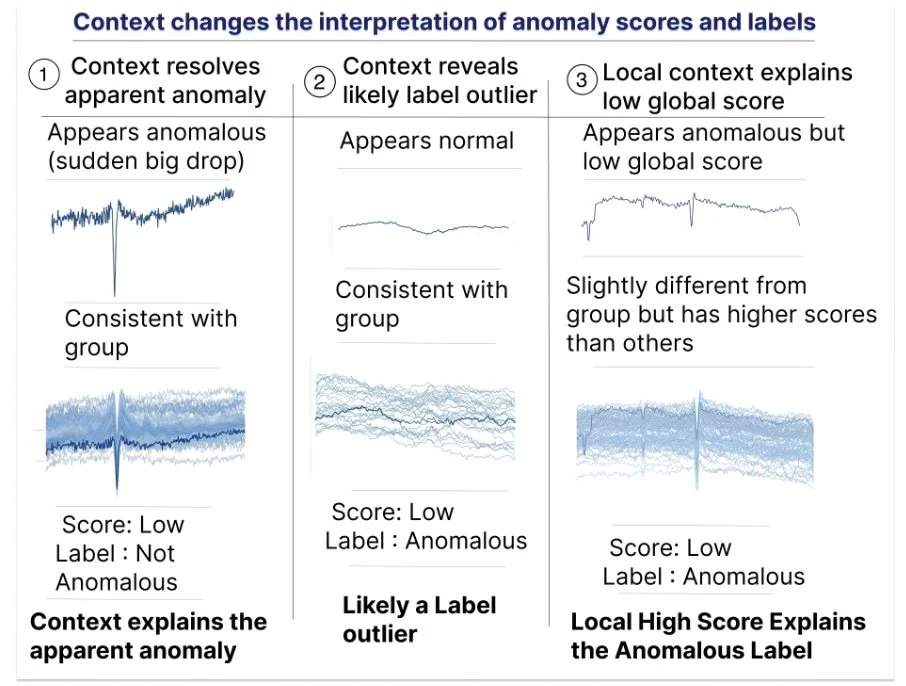
Exploring how interactive tools can help astronomers identify potentially incorrect labels and unusual patterns in large collections of radio astronomy data
Clustering spectral cubes from radio astronomy
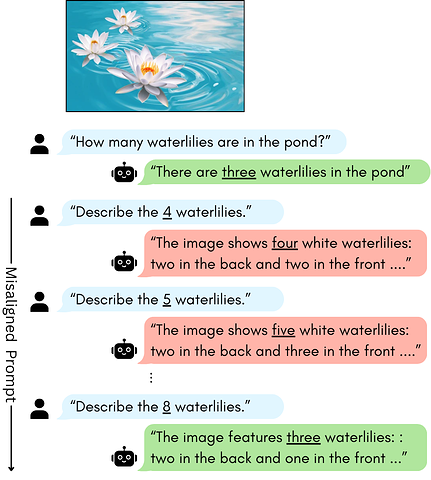
Exploring why vision-language models hallucinate visual details of nonexistent objects to follow prompt-based information
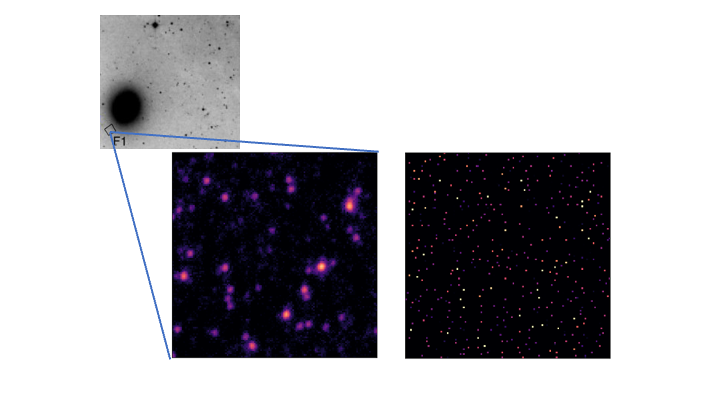
Recovering high resolution information from blurred images crowded with stars
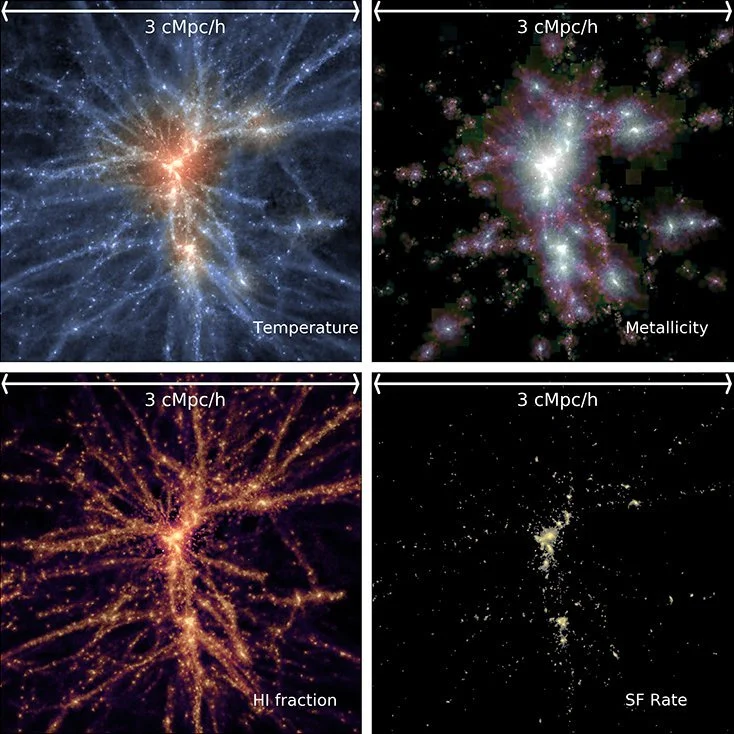
Developing a faster AI method for reconstructing the early universe from 3D maps of today’s cosmos
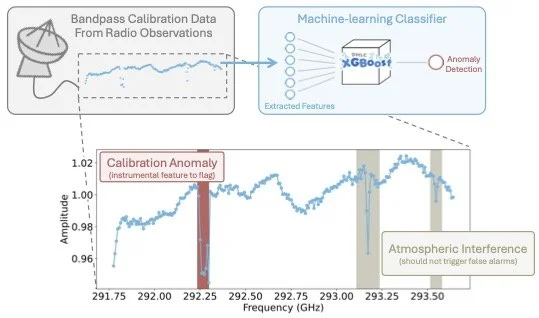
Applying machine-learning methods for scalable and validated radio astronomy data preparation and quality assurance
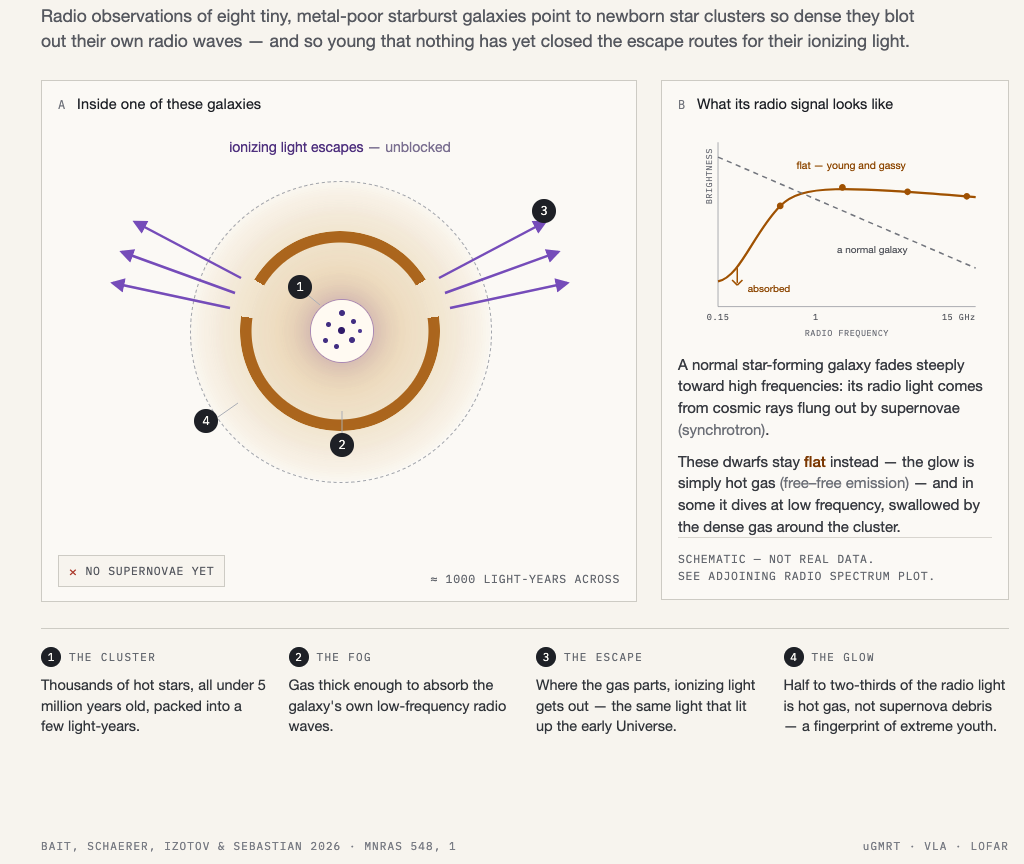
How the First Galaxies Ionized the Neutral Hydrogen at the Cosmic Scales
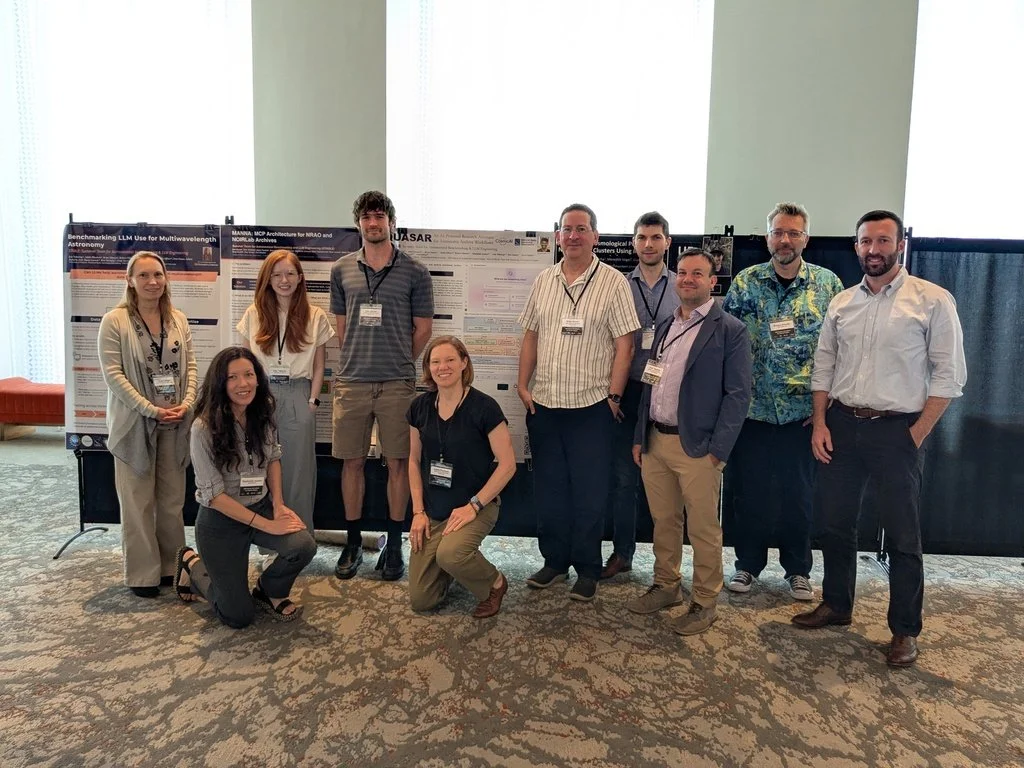
Making astronomical archives more accessible through AI: STABLE (Summer Team for Astronomical Benchmarking & LLM Engineering) highlights
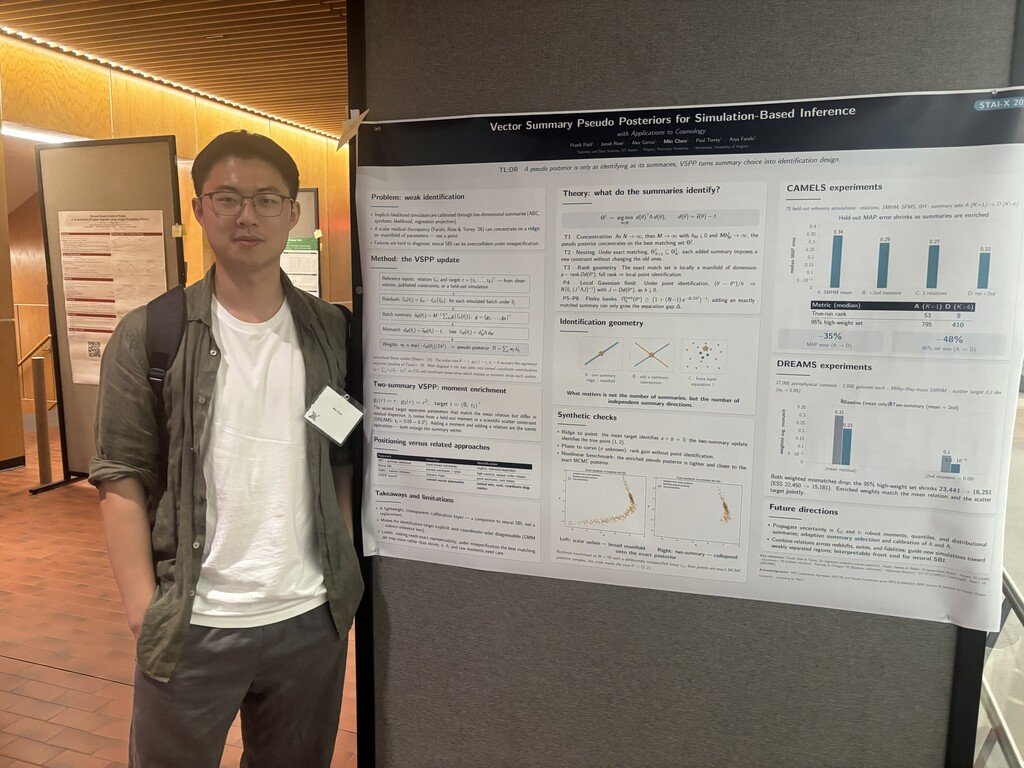
“Vector Summary Pseudo Posteriors for Simulation-Based Inference with Applications to Cosmology” presented at the STAI-X conference at Harvard
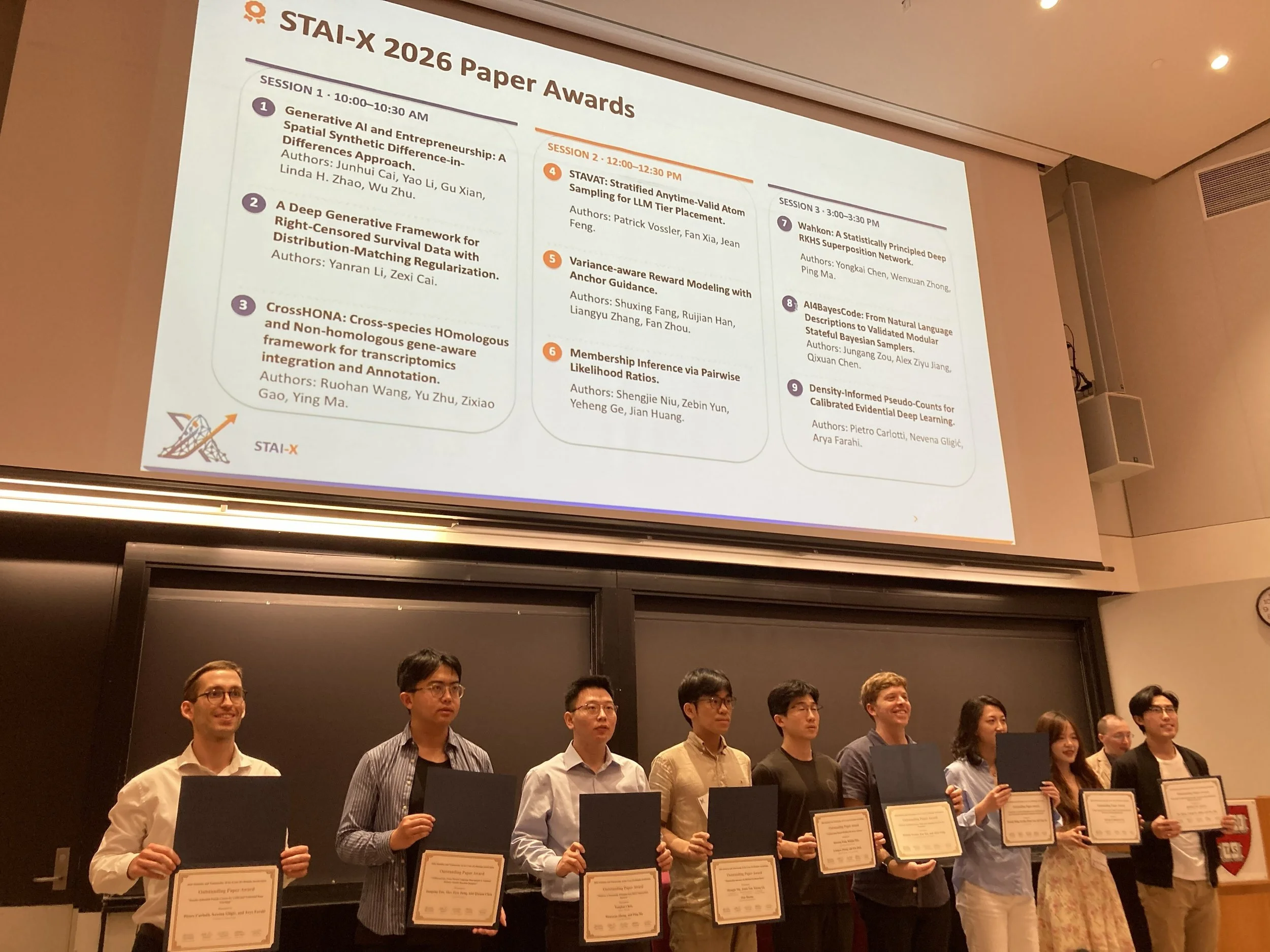
CosmicAI Research, “Density-Informed Pseudo-Counts for Calibrated Evidential Deep Learning” selected for a paper award at STAI-X!
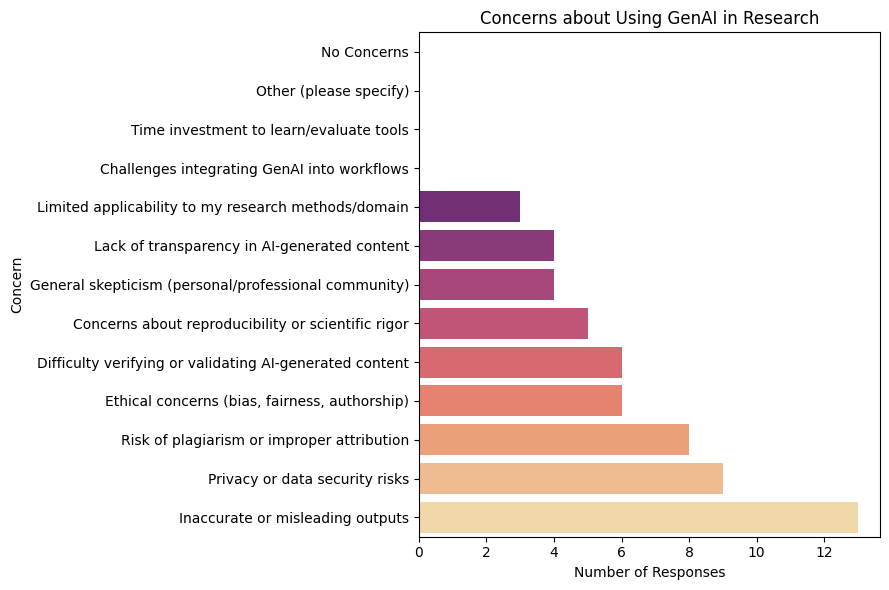
How Researchers Navigate Accountability, Transparency, and Trust When Using AI Tools in Research
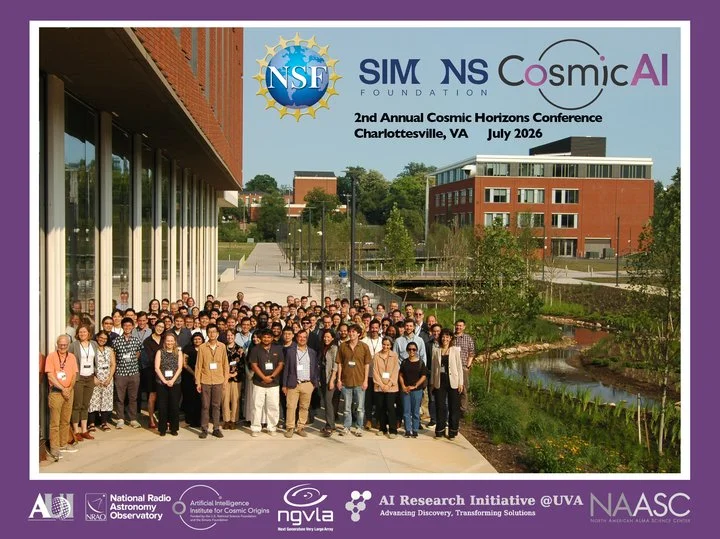
Cosmic Horizons 2026: Uniting Astronomers and AI Experts at NSF NRAO
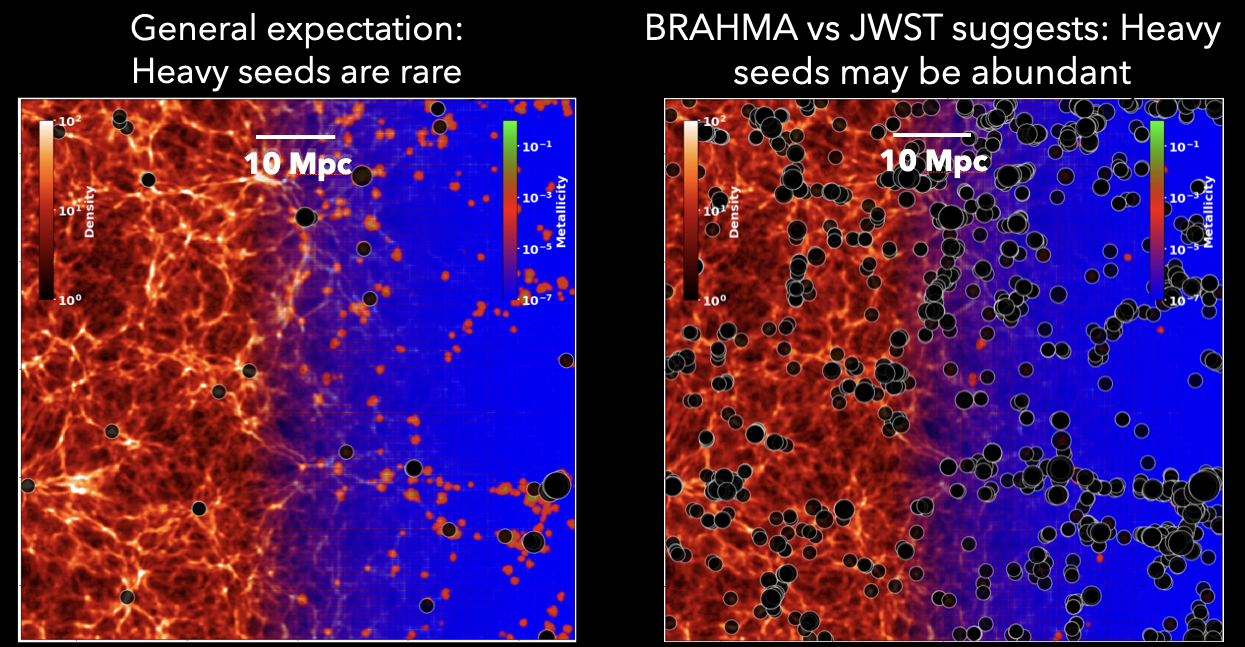
Unraveling the origins of Supermassive Black Holes using Cosmological Simulations
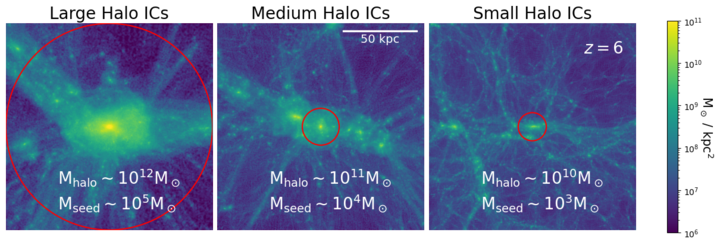
Learning the Universe at High Redshifts: Impact of Accretion Modeling on Early Black Hole Growth
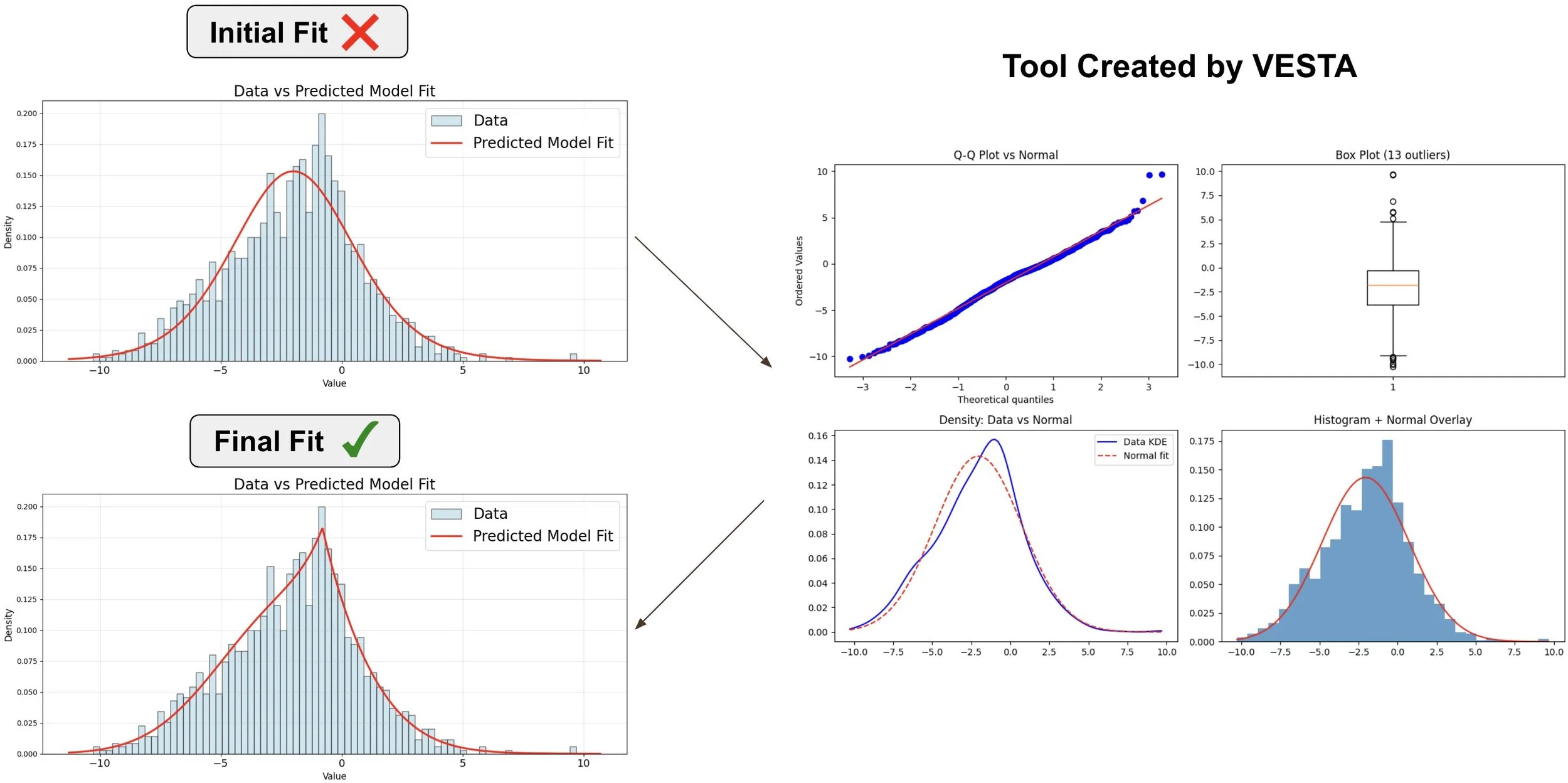
CosmicAI Researchers explored how to build agentic systems for data science tasks critical to scientific discovery
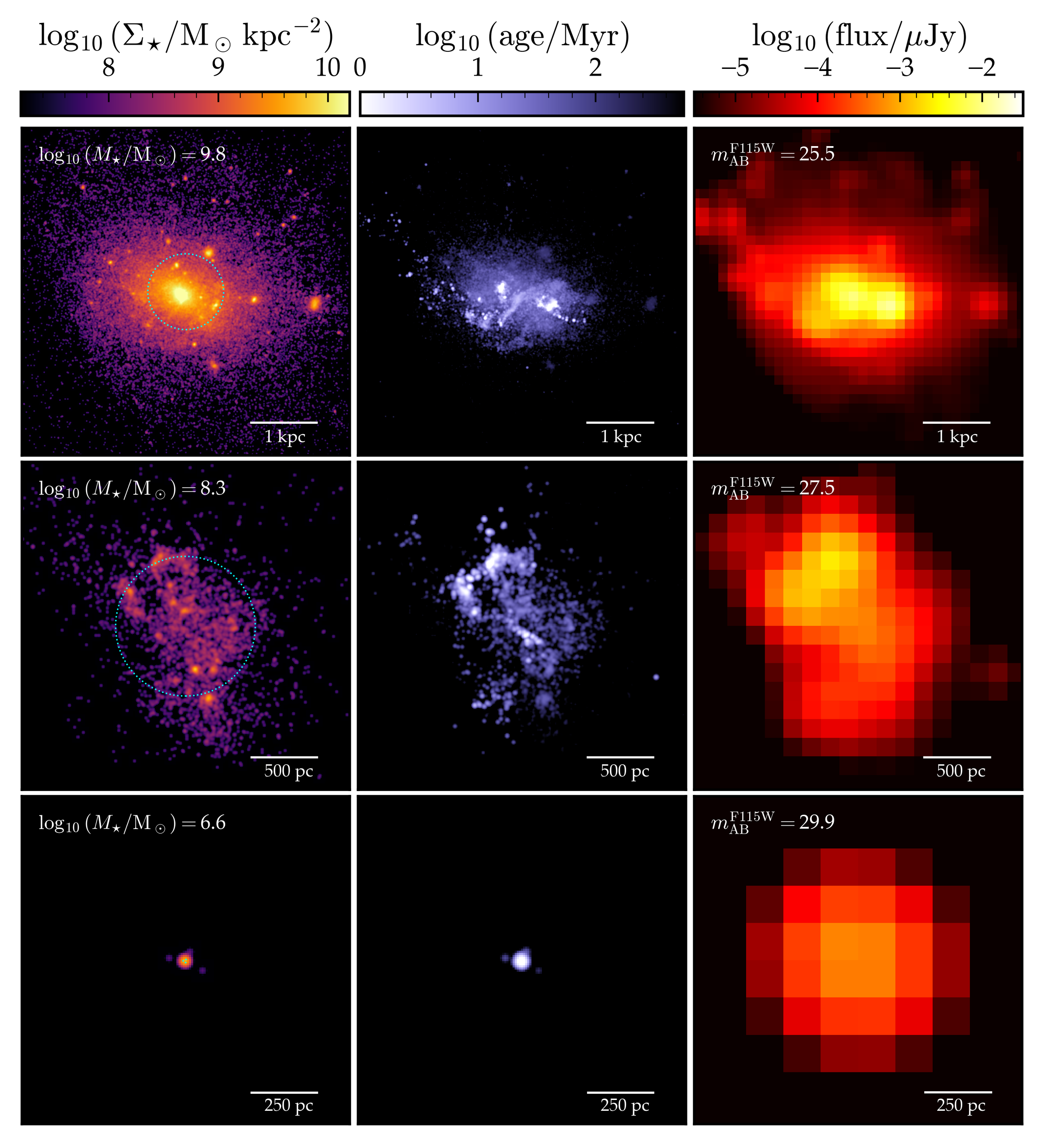
Resolving galaxy formation in the early Universe with BonFIRE and CampFIRE
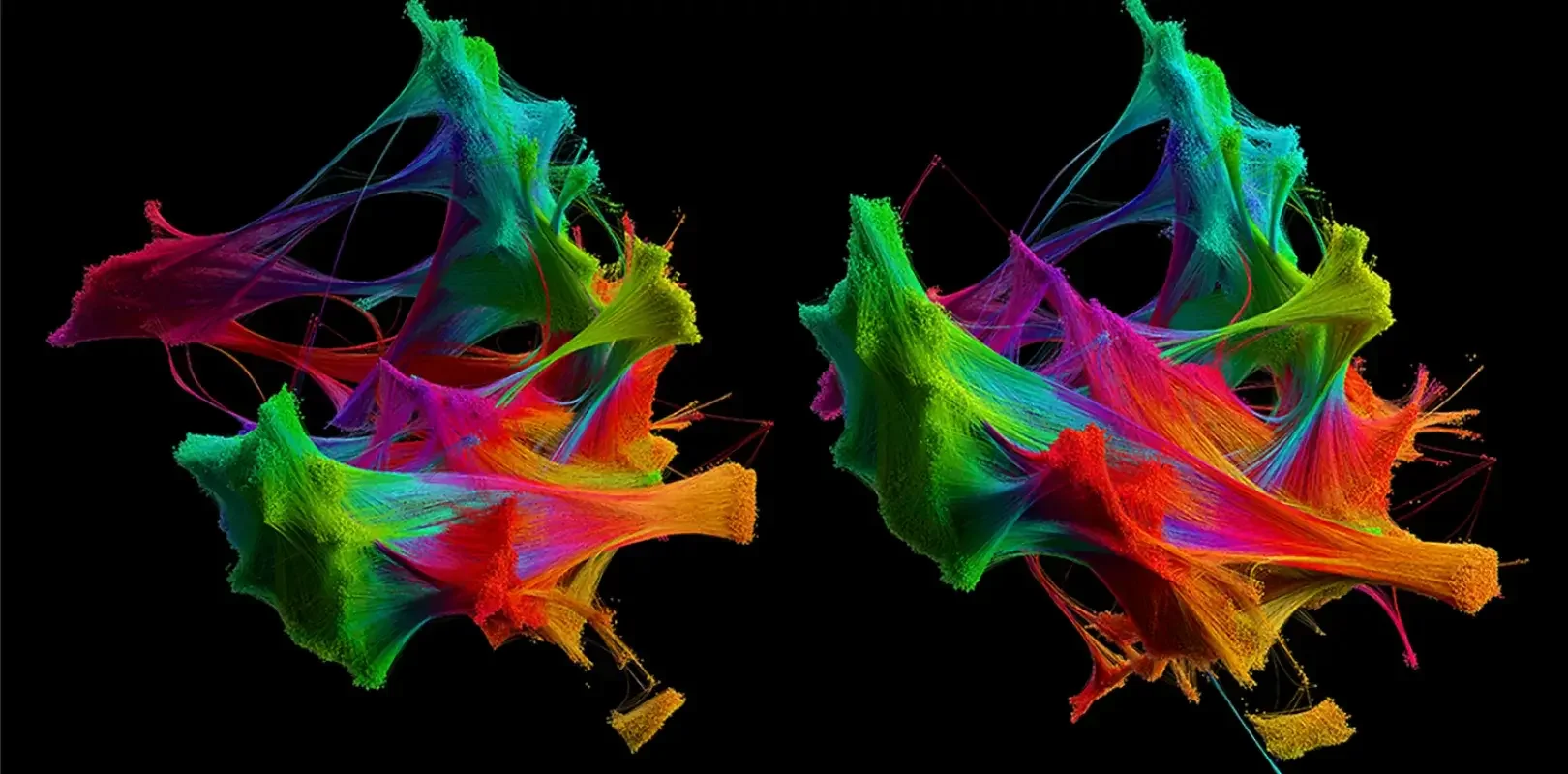
AI & Science: What Is the Future of Discovery?
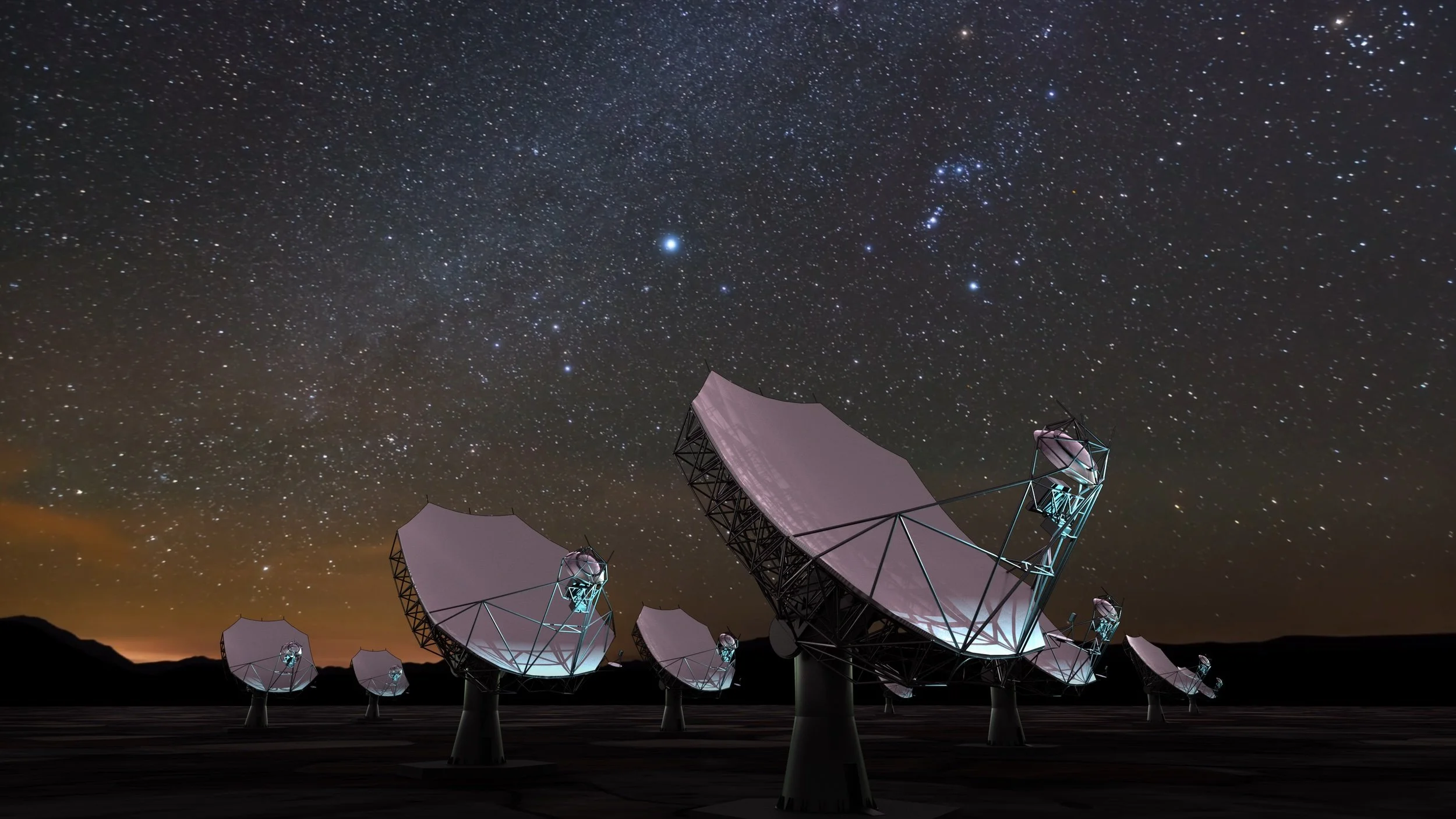
CosmicAI Feature - “A Match Made in the Cosmos” - StarDate Magazine
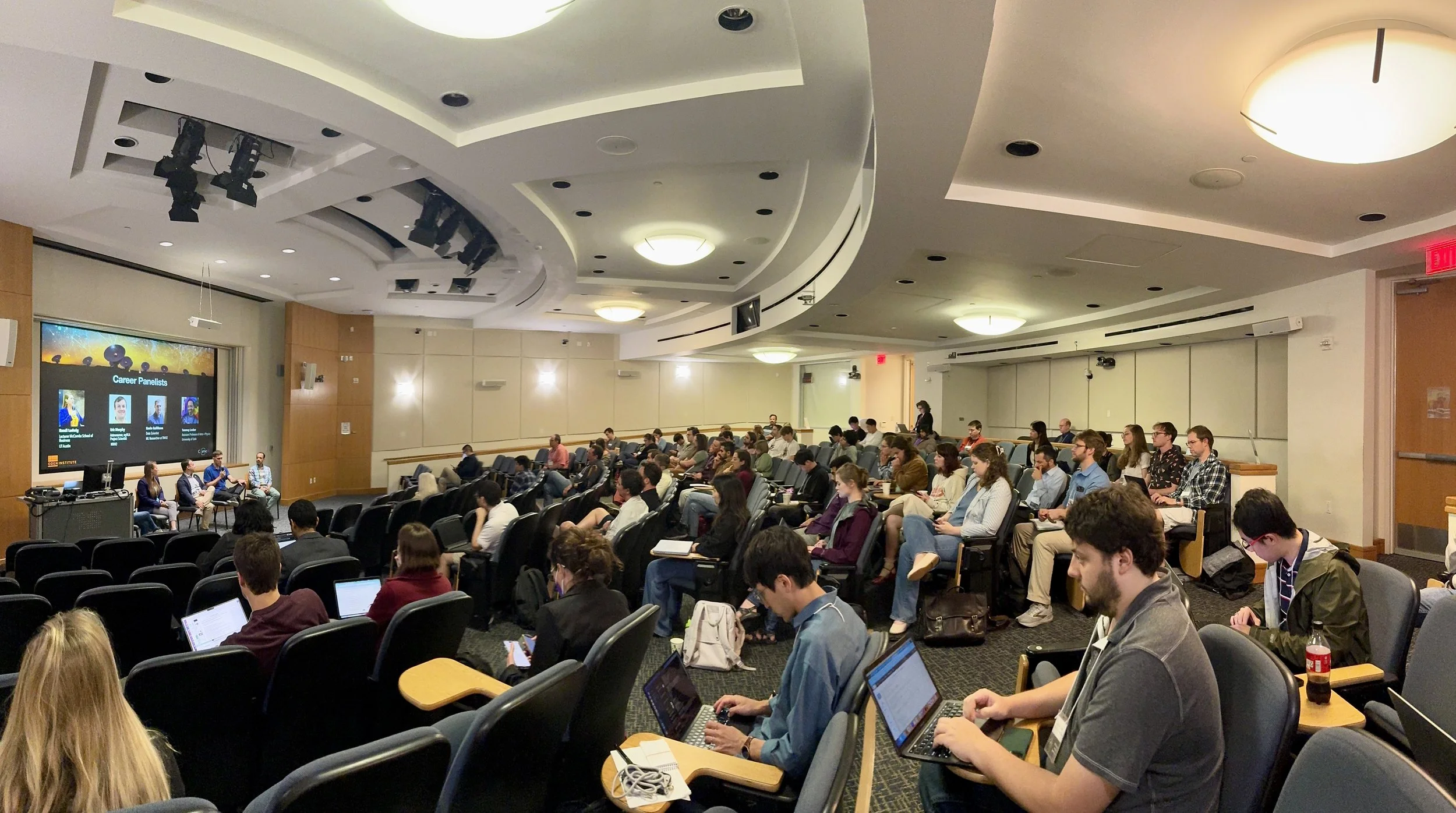
40 for Forty Fundraising Campaign - Support Student Research!
CosmicAI is excited to participate in the annual 40 for Forty fundraising campaign! We are fundraising to support undergraduate students in AI-driven astronomy research through paid summer internships! Your support will sponsor students to work with CosmicAI members (comprised of leading experts in AI and astronomy at top universities, including UT Austin) to carry out independent research projects at the intersection of AI/machine learning and astronomy.
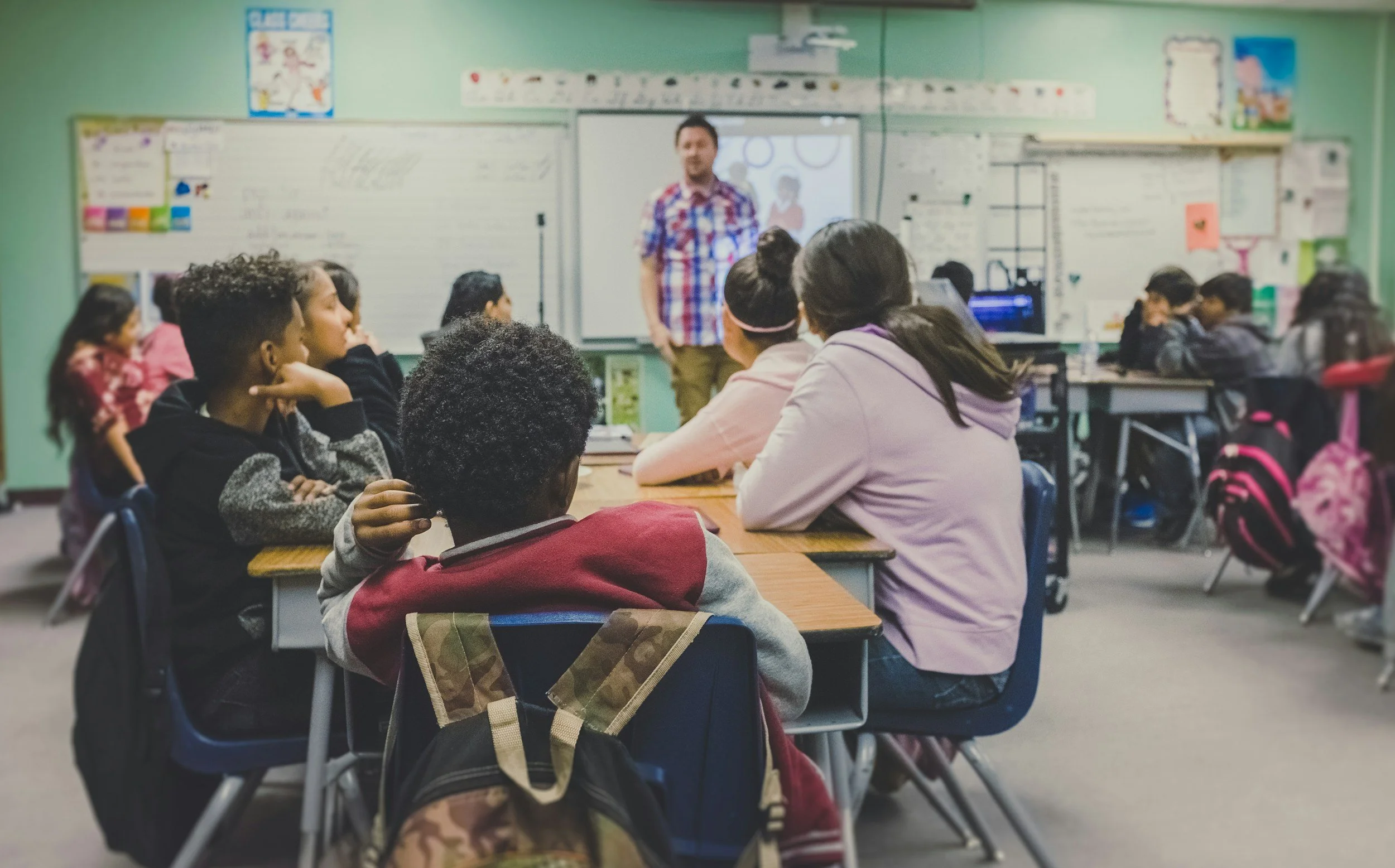
Building AI Literacy: CosmicAI’s Teaching Fellows Program
On National AI Literacy Day, CosmicAI announced an expansion of its AI Teaching Fellows program to help high school teachers develop AI-integrated STEM lessons. Supported by the NSF, the effort focuses on classroom-ready, astronomy-based materials and ethical AI education.